Facade renovation: your obligations towards third parties
Whether it involves painting, applying render or plaster, or even cleaning, don’t forget to comply with certain obligations and best practices. You must ensure your facade renovation works run smoothly and, above all, avoid any legal disputes.
Discover the rules related to signage and scaffolding within the scope of a facade renovation project.
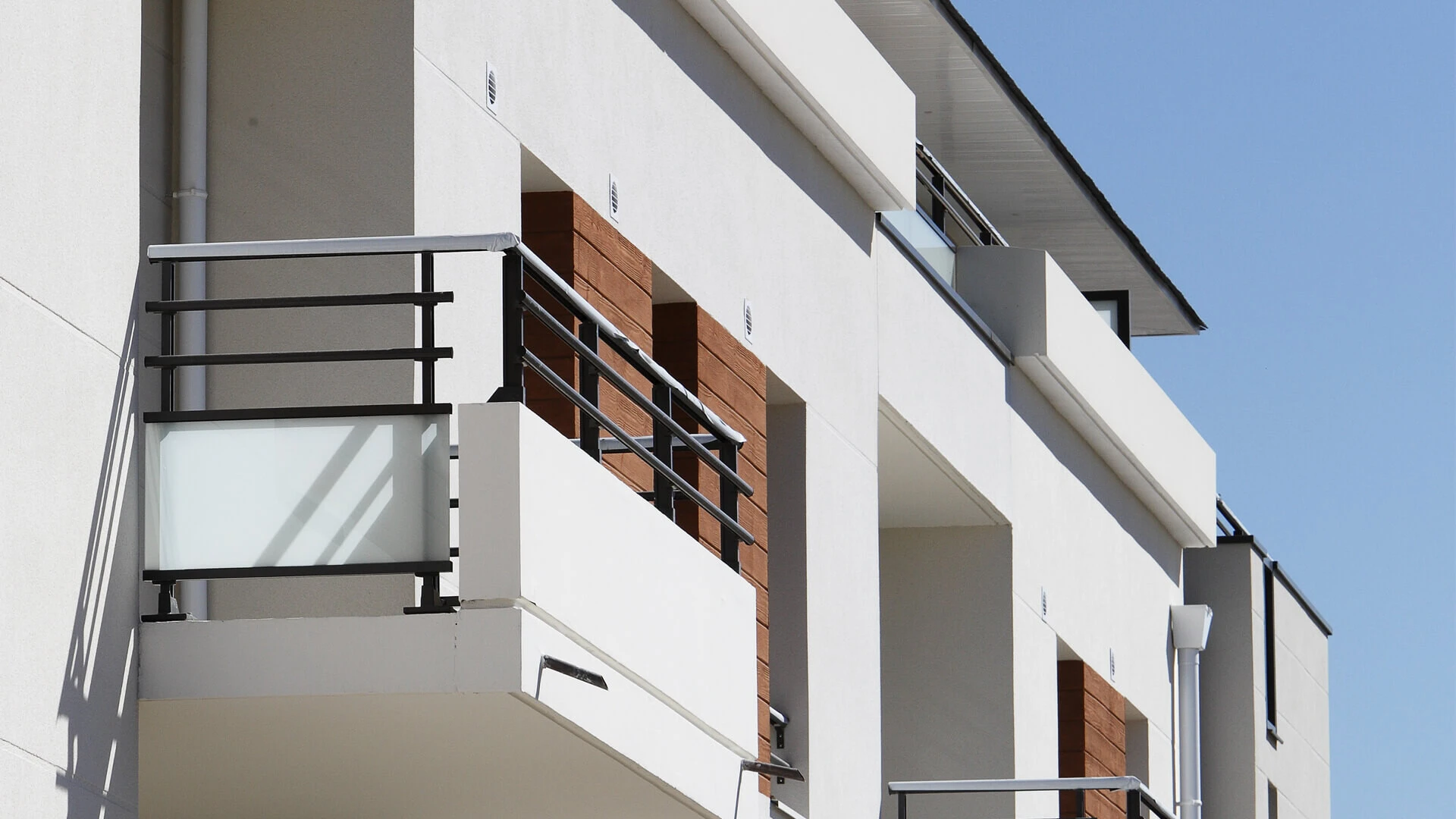
Information sign: regulatory requirements
You must display the prior works declaration or building permit at the entrance of the site for the entire duration of the facade renovation works. With minimum dimensions of 80 cm, these panels can be found in DIY stores or at the town hall, and can be fixed to the scaffolding.
The following information must be clearly readable from the public road: name, company name, date and authorization number, nature of the project, land area, town hall address (where the application was submitted), architect’s name (if mandatory), and third-party appeal rights (Articles R 600-1, R 600-2).
Please note that failure to display this information prevents the start of the legal appeal period available to third parties to challenge the authorization. Your works may therefore remain in a state of legal uncertainty for a longer period.
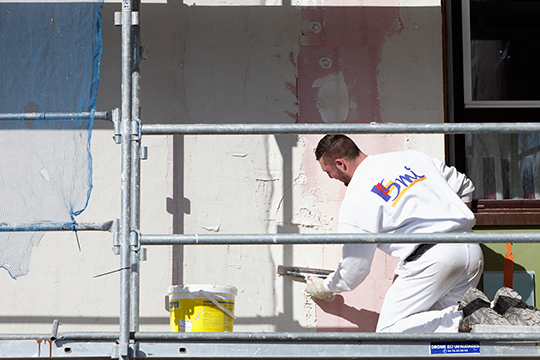
Scaffolding encroachment: obligations and best practices
On public roads: occupation permit authorization
In the case of facade renovation works, it is sometimes necessary to install scaffolding that encroaches on public space, such as the pavement or even part of the roadway. You must therefore request temporary authorization to occupy the public domain.
The content of this request varies depending on the authority. You should contact the relevant road management services directly: the town hall for a municipal road, the departmental council for a departmental road, and the prefecture for a national road.
On a shopfront display window
A shop owner cannot oppose scaffolding that has been duly authorised by the road authorities. However, a few best practices should be followed to ensure the works proceed smoothly:
- Avoid obstructing access to the shop and its window display with scaffolding supports as much as possible
- Keep the merchant informed about progress and any potential delays
- Indicate in the quotation the possibility of including the cost of a branded protective cover if the shop sign is hidden
- Avoid scheduling works during peak business periods (for example, summer for a restaurant with terrace seating)
Finally, note that a shop owner may request compensation through the courts if the damage is considered abnormal and specific.
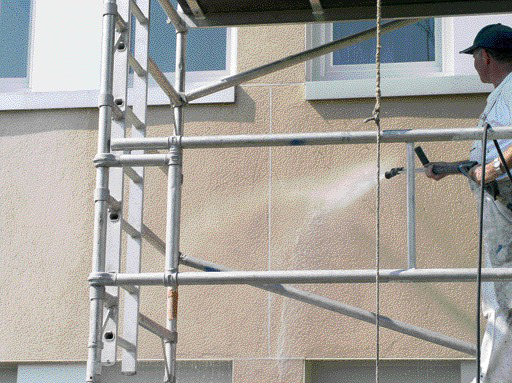
On an adjoining building (party wall property)
The co-ownership must give its authorisation. It cannot refuse if:
- the works are necessary,
- there is no alternative to the encroachment,
- the inconvenience is not excessive in relation to the works being carried out and the interest of the facade renovation,
- the works are limited in time and space.