Renovating a cracked facade with an organic coating

Do your facades show signs of cracking? This is a common issue. You can renovate them using an organic finishing render, while taking a few essential precautions..
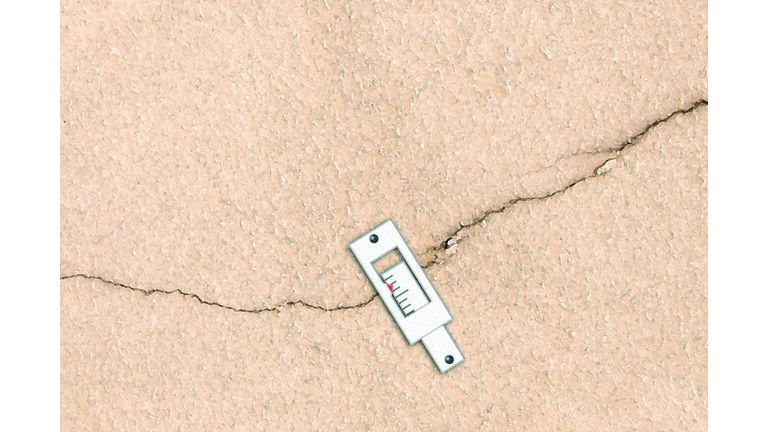
Common issues and queries you can face

Observer les fissures

Condition of the substrate

Inspect your substrate. Cracks must not be allowing water infiltration. The support must be stable despite the presence of cracks and must not be powdery.
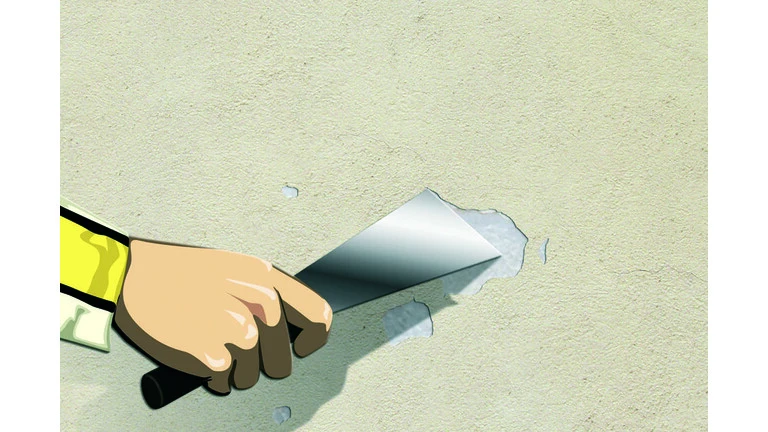
identifier la nature du support

Type of substrate

Is your substrate already coated? Identify its type (organic coating, Pliolite® paint, hydraulic render, etc.), then assess its condition: adhesion, bond strength, hardness, porosity, and surface evenness.

revêtent satisfaisant

The existing coating

Is the condition of your existing coating satisfactory and compatible? If so, keep it without carrying out full stripping or hacking off.

Choose the Weber solution.

The detailed step-by-step solution and all the products used for its implementation.
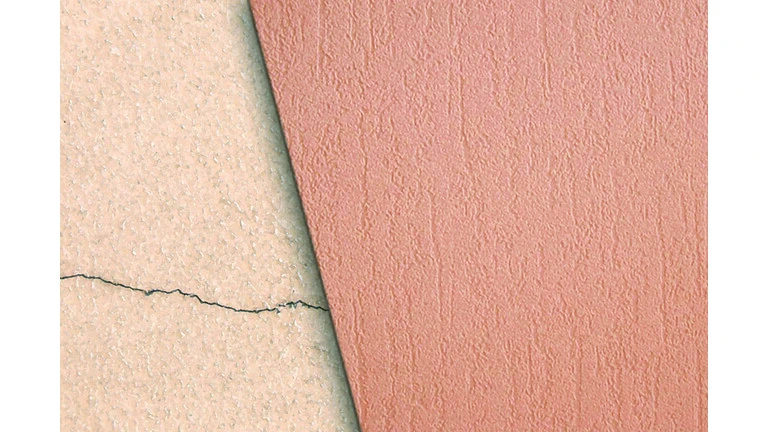


Technical response

fissures apparentes

The renovation solution must be able to cover visible cracks and prevent them from reappearing.

mur perméable

After coating, the wall must remain permeable to water vapour in order to respect gas exchange through the old masonry..
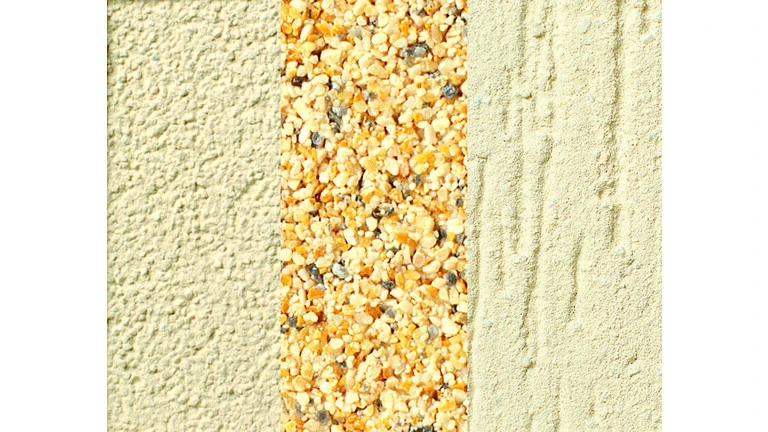
décor aspect taloché

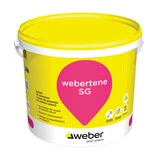
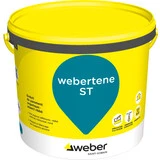
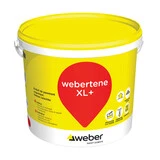
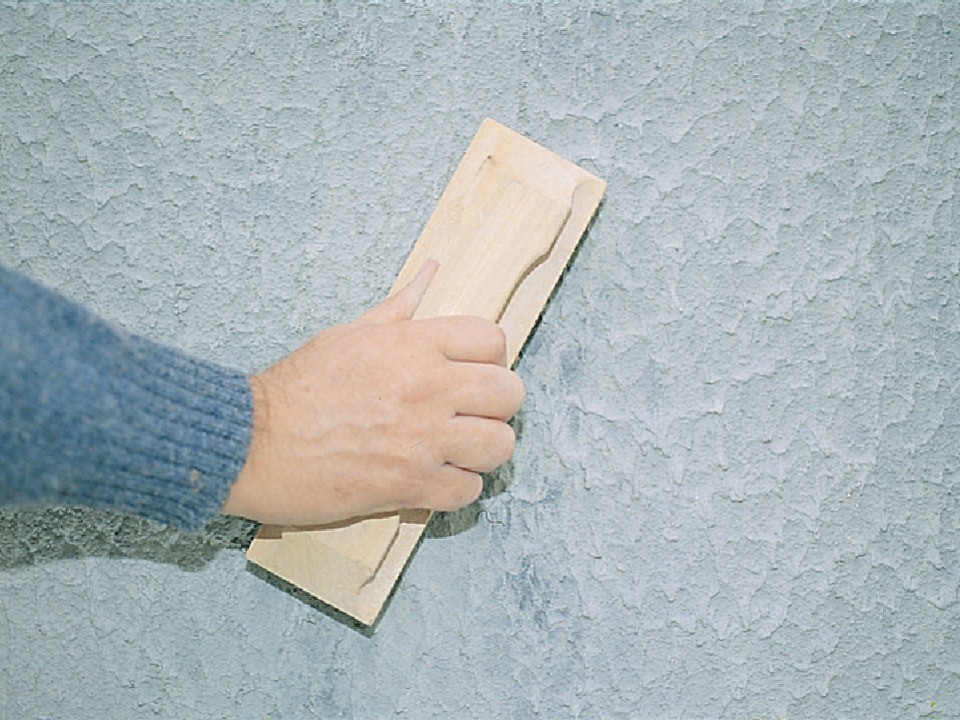
A wide range of decorative finishes is available, including a floated finish (webertene XL+), a ribbed finish (webertene ST)  or a finish with exposed marble aggregates, (webertene SG). 

Substrate preparation

  1. Check and restore the substrate

    • Carry out a diagnosis, then remove any non-adherent or poorly cohesive areas.
    • Restore the substrate to its original condition using a suitable mortar.
    • On an organic substrate, also check the condition of the coating and its adhesion.


  2. Level off high spots and fill cracks

    • Level off protrusions greater than 3 mm.
    • Open localized cracks at stress points using an angle grinder, then fill them with a class 1 acrylic sealant or a suitable mortar.


  3. Clean the substrate

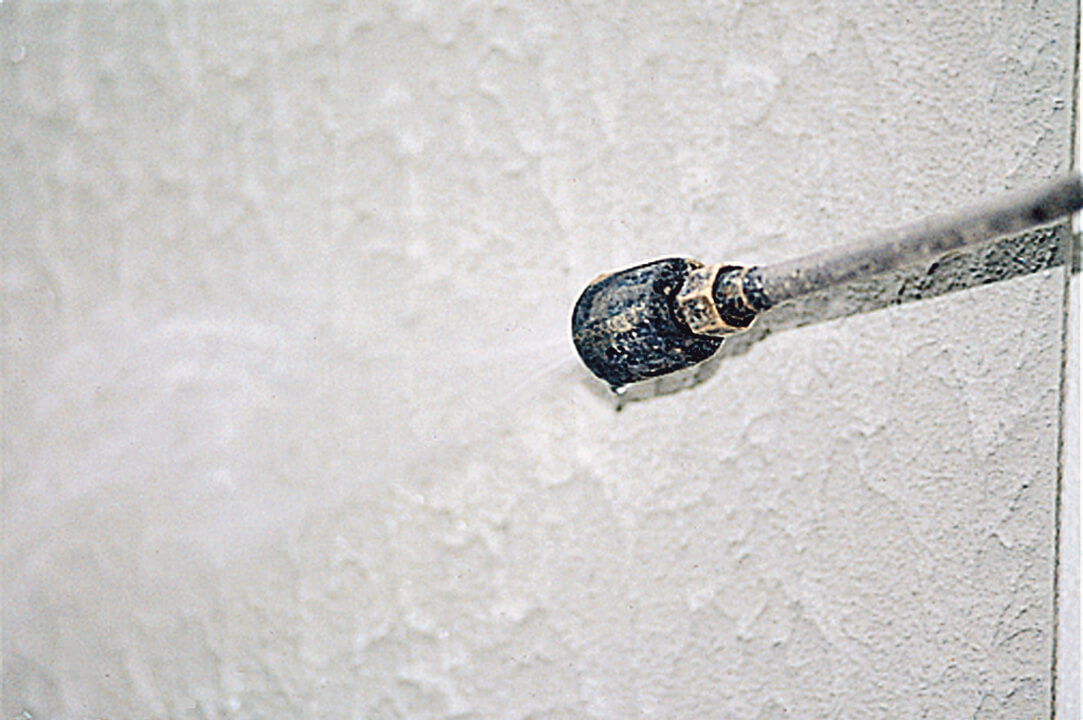
    • Wash using a pressure washer (water pressure of 40 to 80 bar).
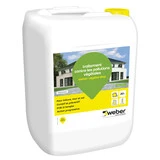
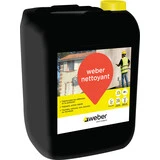
    • Allow to dry, then remove any remaining biological soiling using weber facade cleaner sur un support minéral, ou weber vegetal stop sur un support organique.

Application

  1. Apply the primer coat and the base render.

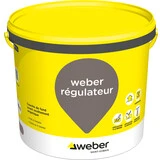
    • On a perfectly dry substrate, apply a coat of weber regulator rusing a wool roller.
    • Allow to dry for 24 hours.
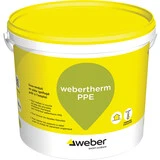
    • Apply webertherm PPE R using a stainless steel trowel, at a thickness of 2 mm.
  2. Embed the reinforcing mesh and apply a second base coat.

      • In the still-fresh render, embed the yellow PPE renovation reinforcing mesh over the entire surface, ensuring it is fully embedded within the thickness of the base coat; provide a 10 cm overlap at the joints between strips.
      • Then apply a second thin coat of webertherm PPE R.
  3. Apply the finishing render.

    • After complete drying of the full render thickness, apply the selected organic finishing render using a stainless steel trowel, choosing from the following products: webertene XL+, webertene ST or webertene SG

Our recommendations

  • Please note that this decorative system does not replace waterproofing systems.
  • Check the compliance of indoor ventilation in the premises.
  • Refer to the product data sheets for full information on their field of application.

Packaging and consumption

Product

Packaging

Consumption

weber régulateur

10 kg and 20 kg buckets


200 to 300 g/m².

webertherm PPE

25 kg buckets

3 to 5 kg/m².
armature réno PPE

50 m² roll

1,1 m2/m2
webertene XL+

25 kg buckets

2,5 to 3 kg/m2
webertene ST

25 kg buckets

2,5 kg/m2
webertene SG

25 kg buckets

5,5 to 6,5 kg/m2

Equipment

  • Stainless steel trowel
  • Flexible stainless steel float
  • Plastic float
  • Wool roller
  • Cutter
  • Pair of scissors


Find all our products near you in more than 2000 outlets
Vous pouvez comparer jusqu'à 4 produits.

Compare