Weber

Exterior Render: Everything You Need to Know About Techniques and Uses

Exterior render is an essential coating used to protect and enhance a facade. It provides an aesthetic finish, protects against weather conditions, and can even improve a building’s thermal and acoustic insulation. However, choosing the right render and applying it correctly requires a good understanding of the different options and techniques available.

In this guide, we will explore the various types of renders, their advantages and disadvantages, as well as application methods to help you make the best choice.
Assessing the Condition of the Substrate Before Applying Exterior Render

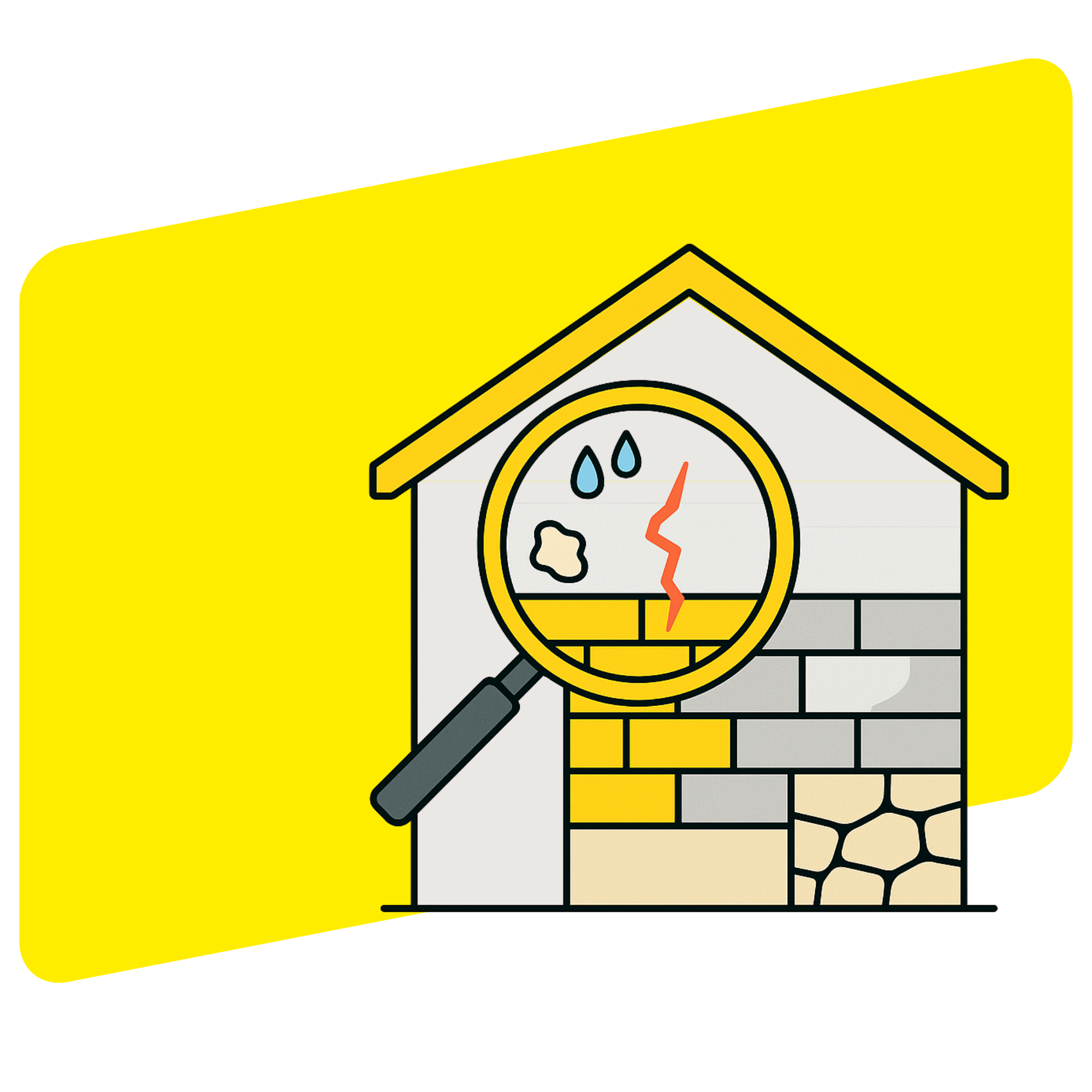
Before applying a render, it is essential to assess the condition of the substrate to ensure proper adhesion and long-lasting results.

What criteria should be used to evaluate a wall before rendering?

  • Type of substrate: Concrete, brick, concrete blocks, or stone require different treatments.
  • Presence of cracks or moisture: A cracked or damp wall can compromise adhesion and the durability of the render.
  • Existing coating: Should the old layer be removed, or should a bonding primer be applied ?

When should leveling be considered before rendering?

  • If the wall is too uneven, a render alone will not be sufficient to conceal defects.
  • A porous surface may require a sealer or bonding primer before applying the render.

The Different Types of Exterior Renders

Depending on the substrate and the desired finish, several types of exterior renders are available.

Single-Coat vs. Traditional Render: Which Should You Choose?

  • Single-coat render: A single application provides both waterproofing and decoration. It is quick to apply and ideal for new constructions.
  • Traditional render (three-coat system): Composed of a bonding coat (scratch coat), a base coat, and a finishing coat, it is more robust and often preferred for renovation projects.

Single-Coat vs. Lime Render: What Are the Differences?

  • Single-coat render: Better suited for new substrates, it is efficient to apply and cost-effective.
  • Air lime render: Offers better vapor permeability, is more flexible, and is better suited for older substrates.

Which Render Finish Should You Choose?

  • Smooth finish: Modern and clean, offering long-term protection.
  • Scraped / float finish: Textured effect, ideal for contemporary buildings.
  • Spray-applied finish: Quick application and more cost-effective.

Advantages and Disadvantages of Exterior Renders

✔️Benefits of Exterior Render

  • Weather protection: Prevents water infiltration and protects walls.
  • Enhanced appearance: Available in a wide range of textures and colors.
  • Thermal and acoustic insulation: Especially when combined with ETICS (External Thermal Insulation).

Things to Consider

  • Susceptibility to cracking: An unstable substrate can lead to cracks.
  • Requires maintenance: It can become dirty or deteriorate over time, especially in urban environments.

How to Apply Exterior Render

The application of render requires several steps to ensure proper adhesion and a long-lasting finish.

  1. Substrate Preparation

    • Clean the wall to remove dust and impurities.
    • Apply a primer or sealer if the substrate is too porous.
    • Fill any cracks and holes.
  2. Application de l’enduit

    1. By hand: Using a trowel for a controlled finish.
    2. By machine: Faster for large surfaces.
    3. Allow each coat to dry before applying the next one (in the case of traditional render).
  3. Finishing and Drying

    • Respect drying times to prevent cracking.
    • Protect the render from weather conditions during the first few days.

💡 Alternatives to Exterior Render

If render is not suitable for your project, other solutions are available to protect a facade.

Wood or PVC Cladding

  • Provides a contemporary look and good insulation.
  • More expensive but requires less maintenance.

Facade Paint

  • Thinner than render, it allows you to refresh a facade at a lower cost. However, it is a less durable solution, and it is then difficult to revert back to a mineral render.

Stone or Brick Cladding

  • It offers an authentic aesthetic but requires a solid substrate and a higher budget.

Exterior render is an essential coating for protecting and enhancing a facade. Its selection and application must be adapted to the substrate and climatic conditions. Between single-coat render, traditional render, or lime-based render, each solution has its own advantages and disadvantages.

Vous pouvez comparer jusqu'à 4 produits.

Compare